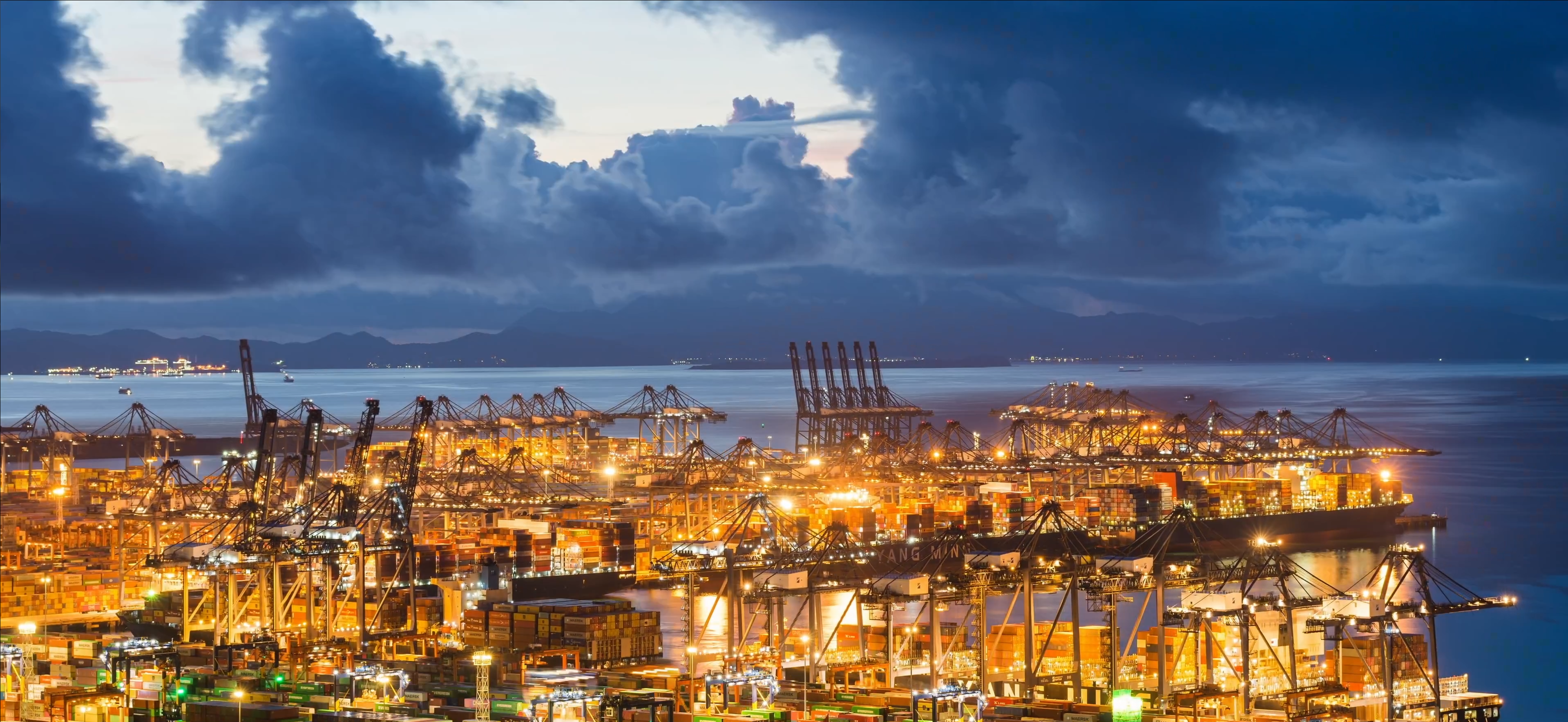
La fabricación bajo demanda es un modelo de producción digital donde los bienes se fabrican solo después de realizar los pedidos. Aprovecha el mecanizado CNC, la impresión 3D y sistemas de cotización automatizados para producir piezas personalizadas rápidamente sin herramientas. Este enfoque reduce costos de inventario, permite la personalización masiva y crea cadenas de suministro flexibles ideales para prototipos, repuestos y producción en bajo volumen.
La fabricación bajo demanda, también conocida como fabricación digital o fabricación en la nube, representa un cambio de paradigma respecto a la producción masiva tradicional. En lugar de prever la demanda y producir inventario en masa, los sistemas bajo demanda fabrican piezas justo cuando los clientes las necesitan.
El flujo de trabajo bajo demanda
Todo el proceso depende de la integración digital: transformar archivos CAD en piezas físicas con mínima intervención humana. Las plataformas modernas usan cotización automatizada y análisis de diseño, eliminando procesos manuales largos que tradicionalmente tomaban días.
Para entusiastas de la fabricación de escritorio y pequeñas empresas, los routers CNC TwoTrees como el TTC450 Pro y TTC450 Ultra permiten la fabricación bajo demanda interna, produciendo piezas personalizadas sin esperar a proveedores externos ni pagar tarifas de MOQ.
¿Qué industrias se benefician más de la fabricación bajo demanda?
Electrónica (semiconductores, carcasas), dispositivos médicos (herramientas quirúrgicas, implantes personalizados), aeroespacial (piezas heredadas, prototipos), automotriz (piezas de repuesto, componentes para carreras) y productos de consumo (artículos personalizados/ediciones limitadas) son los que más se benefician. Estas industrias requieren personalización, iteración rápida, producción en bajo volumen y la capacidad de responder rápidamente a cambios del mercado sin riesgo de inventario.
La fabricación CNC bajo demanda se ha vuelto indispensable en industrias que requieren flexibilidad, personalización y capacidad de respuesta rápida:
Por qué estas industrias eligen la fabricación bajo demanda
Electrónica — Los ciclos de vida de productos se acortan; la fabricación bajo demanda permite iteraciones rápidas sin costosos retrabajos de moldes. Las startups prototipan carcasas en días, no semanas.
Médico — Los implantes específicos para pacientes requieren personalización imposible con producción masiva. La impresión 3D bajo demanda crea guías quirúrgicas adaptadas a la anatomía individual.
Aeroespacial — Los componentes de aeronaves antiguas a menudo requieren lotes pequeños donde ya no existen fabricantes. El CNC bajo demanda fabrica piezas con materiales certificados y trazabilidad completa.
Automovilismo — Los equipos necesitan piezas personalizadas rápidamente entre carreras. El CNC bajo demanda entrega componentes modificados en 3–5 días sin costos de inventario.
Para pequeños fabricantes, TwoTrees permite la fabricación digital de escritorio de plantillas, accesorios y repuestos personalizados internamente, eliminando dependencias de la cadena de suministro.
¿Por qué elegir la fabricación bajo demanda sobre la producción tradicional?
La fabricación bajo demanda elimina los costos de almacenamiento de inventario, elimina las restricciones de MOQ, ofrece tiempos de entrega de 3 a 10 días frente a semanas/meses en la producción tradicional, permite la personalización masiva, reduce el desperdicio al producir solo lo necesario y permite cambios de diseño instantáneos. Ideal para startups, productos personalizados, repuestos y evitar riesgos de inventario no vendido.
Comparación de ventajas clave
Desglose de ahorro de costos
Reducir los costos de inventario y almacenamiento representa la mayor ventaja financiera. La fabricación tradicional requiere almacenar grandes cantidades para mantener economías de escala, incurriendo en:
-
Alquiler de instalaciones de almacenamiento (500–5,000 $/mes)
-
Seguro para el valor del inventario
-
Capital inmovilizado en stock no vendido
-
Riesgo de obsolescencia cuando los productos se actualizan
-
Costos de manejo y logística
La fabricación bajo demanda elimina estos costos por completo al producir las piezas exactamente cuando se necesitan.
Beneficios de la sostenibilidad
La producción bajo demanda también apoya los objetivos de sostenibilidad:
-
Menos desperdicio de material (solo producir lo que se ordena)
-
Reducción del consumo energético (sin calefacción/enfriamiento de inventario inactivo)
-
Menores emisiones de transporte (producción local vs. almacenes centralizados)
Para aficionados que pasan a pequeñas empresas, las máquinas CNC de escritorio TwoTrees ofrecen capacidades de fabricación bajo demanda sin externalizar, reduciendo costos por pieza y mejorando el control sobre los tiempos de producción.
¿Cómo reduce el CNC bajo demanda los costos de inventario y almacenamiento?
El CNC bajo demanda elimina inventarios produciendo piezas solo cuando llegan los pedidos (producción justo a tiempo). Esto elimina costos de almacenamiento ($500–$5,000/mes), previene desperdicios por sobreproducción, elimina el riesgo de inventario no vendido, libera capital inmovilizado en stock y evita obsolescencia por cambios de diseño. Las empresas ahorran entre 20–50% en costos totales de producción.
Comparación de costos de inventario
El modelo de producción Justo a Tiempo
La fabricación bajo demanda permite producción justo a tiempo (JIT), donde:
-
El cliente realiza el pedido
-
La pieza se fabrica inmediatamente
-
El producto se envía directamente al cliente
-
No se requiere almacenamiento intermedio
Este modelo crea una cadena de suministro flexible para piezas personalizadas que responde instantáneamente a las fluctuaciones de demanda sin inventarios intermedios.
Ejemplo real de ahorro
Una empresa que produce 500 carcasas personalizadas al año:
Enfoque tradicional:
-
Producir 500 unidades por adelantado
-
Almacenar en bodega ($1,200/año)
-
20% no vendido (100 unidades) = $2,000 desperdiciados
-
Capital inmovilizado: $5,000
Enfoque CNC bajo demanda:
-
Producir solo cuando se ordena (500 unidades al año)
-
Almacenamiento cero
-
Inventario no vendido cero
-
Capital liberado para otras inversiones
-
Ahorro total: más de $3,200 anuales
Para pequeñas empresas, TwoTrees permite la producción interna bajo demanda de piezas de repuesto, accesorios y componentes personalizados, eliminando completamente los tiempos de espera de proveedores externos y los costos de almacenamiento.
¿Cuáles son los desafíos de la fabricación bajo demanda?
Los desafíos incluyen costos por unidad más altos (sin descuentos por volumen), opciones limitadas de materiales para algunos procesos, limitaciones de capacidad durante picos de demanda, coordinación compleja de la cadena de suministro con múltiples proveedores y posible inconsistencia de calidad entre vendedores. Mitigar construyendo relaciones a largo plazo con proveedores, implementando protocolos estrictos de control de calidad, usando CNC de escritorio interno como TwoTrees para piezas críticas y planificando para temporadas pico.
Principales Desafíos y Soluciones
Estrategias de mitigación para pequeñas empresas
1. Enfoque híbrido — Mantén piezas críticas/comunes internamente (CNC de escritorio como TwoTrees TTC450 Pro) y subcontrata piezas especializadas/de baja frecuencia.
2. Diversificación de proveedores — Construye relaciones con 2–3 proveedores bajo demanda para evitar cuellos de botella en capacidad.
3. Integración del flujo de trabajo digital — Usa plataformas con cotización automatizada y análisis DFM para agilizar pedidos.
4. Protocolos de comunicación — Documenta claramente las especificaciones y solicita muestras antes de comprometerse con pedidos grandes.
5. Seguimiento de datos — Monitorea datos de producción para medir mejoras en costo y tiempo, identificando oportunidades de optimización.
Para entusiastas de la fabricación de escritorio, la manufactura bajo demanda en máquinas TwoTrees ofrece la flexibilidad de producir piezas a pedido sin depender de proveedores, especialmente valioso para prototipos personalizados y componentes de reemplazo.
¿Cuándo deberías usar CNC bajo demanda vs manufactura interna?
Usa CNC bajo demanda para materiales especializados, volúmenes muy bajos (1–10 unidades), piezas complejas que requieren equipo industrial o cuando el capital es limitado. Usa CNC de escritorio interno (como TwoTrees TTC450) para piezas personalizadas regulares, volúmenes mayores (50+ unidades/mes), iteraciones rápidas el mismo día, sensibilidad en control de calidad o reducción de costos a largo plazo. El enfoque híbrido suele ser óptimo para equilibrar flexibilidad y costo.
Matriz de decisión: CNC bajo demanda vs interno
La Estrategia de Manufactura Híbrida
La mayoría de las pequeñas empresas exitosas adoptan un enfoque híbrido:
-
CNC de escritorio interno — Produce piezas necesarias con frecuencia, prototipos rápidos, plantillas/soportes personalizados usando TwoTrees TTC450 Pro/Ultra.
-
CNC externo bajo demanda — Subcontrata materiales especializados, piezas certificadas para aeroespacial/medicina, componentes muy grandes.
-
Impresión 3D para ambos — Usa impresoras 3D de escritorio para iteraciones rápidas y servicios bajo demanda para piezas de producción finales.
Esta estrategia equilibra el costo, la velocidad, el control de calidad y la optimización de la flexibilidad.
Análisis costo-beneficio
Las empresas que transitan a la fabricación digital suelen comenzar con servicios externos bajo demanda y luego construyen capacidad interna usando equipos TwoTrees a medida que aumentan volumen y frecuencia.
Opiniones de expertos de TwoTrees
"En TwoTrees, hemos visto cómo los creadores evolucionan de depender totalmente de servicios externos bajo demanda a operar manufactura interna rentable. Nuestras máquinas CNC TTC450 Pro y TTC450 Ultra democratizan la fabricación bajo demanda, permitiendo a pequeñas empresas producir piezas personalizadas el mismo día sin tiempos de espera de 3 a 10 días ni cantidades mínimas de pedido. Para startups y educadores, el CNC bajo demanda en máquinas de escritorio elimina la espera, permitiendo iteraciones de diseño instantáneas basadas en retroalimentación en tiempo real. Ya sea para piezas de repuesto, carcasas personalizadas o productos de edición limitada, TwoTrees empodera a los creadores para controlar su cadena de suministro. Combinado con nuestro soporte Twotrees Wiki, compatibilidad de software con Easel y LaserGRBL, y redes de almacenes en el extranjero para entrega rápida de materiales, estamos haciendo realidad que 'la creatividad pertenece a todos', un corte de precisión bajo demanda a la vez."
— Equipo de Ingeniería TwoTrees, fundado en 2017
TwoTrees se ha convertido rápidamente en líder global en fabricación de escritorio, especializándose en grabadores láser Two Trees, routers CNC e impresoras 3D accesibles para aficionados y pequeños negocios.
¿Cómo puedes comenzar hoy con la fabricación bajo demanda?
Comienza evaluando los puntos críticos de tu producción actual (altos costos de inventario, largos tiempos de entrega). Elige entre servicios externos bajo demanda o CNC de escritorio interno (serie TwoTrees TTC450). Aprende software CAM (Easel, Fusion 360), consigue materiales localmente, inicia con piezas simples, implementa listas de control de calidad y escala gradualmente. El CNC interno elimina restricciones de cantidad mínima y ofrece control inmediato sobre tiempos y costos.
Guía paso a paso para iniciar
Opción 1: Servicios externos bajo demanda
-
Identifica piezas para producción bajo demanda — Cataloga componentes con demanda irregular o tiempos de entrega largos.
-
Encuentra proveedores — Busca talleres CNC que ofrezcan tamaños de lote flexibles y entregas rápidas.
-
Prepara archivos CAD — Exporta archivos STEP o STL con tolerancias claras y especificaciones de material.
-
Solicita muestras — Antes de pedidos grandes, prueba piezas para ajuste y función.
-
Monitorea el rendimiento — Controla costos, tiempos de entrega y calidad para medir mejoras.
Opción 2: CNC de escritorio interno (Recomendado para producción regular)
-
Invierte en equipo — TwoTrees TTC450 Pro (2,000–3,000 USD) para área de trabajo de 450×450 mm.
-
Aprende software CAM — Easel, LaserGRBL, Fusion 360 para generación de trayectorias de herramienta.
-
Consigue materiales — Proveedores locales o almacenes en el extranjero de TwoTrees para entrega rápida.
-
Comienza simple — Produce soportes, carcasas, placas planas antes de ensamblajes complejos.
-
Implementa control de calidad — Crea listas de verificación para dimensiones, acabado superficial, pruebas funcionales.
-
Itera rápido — Cambios de diseño el mismo día sin esperar cotizaciones de proveedores externos.
Comparación de equipos para producción interna
La fabricación interna bajo demanda elimina los tiempos de espera de proveedores, permite iteraciones el mismo día, ofrece total transparencia de costos y elimina restricciones de MOQ, ventajas críticas para startups y pequeñas empresas.
Preguntas frecuentes
1. ¿Cuál es el plazo típico de entrega para la fabricación bajo demanda?
La mayoría de los servicios CNC bajo demanda entregan prototipos en 3 a 10 días, dependiendo de la complejidad y el volumen. TwoTrees ofrece entregas rápidas a través de almacenes en el extranjero para la entrega ágil de materiales y componentes.
2. ¿La fabricación bajo demanda tiene cantidades mínimas de pedido (MOQ)?
No. Una de las mayores ventajas de la fabricación bajo demanda es que no hay cantidad mínima de pedido (MOQ). Puede producir exactamente lo que necesita, ya sea 1 unidad o 5,000, sin verse obligado a pedir inventario en exceso.
3. ¿Puede la fabricación bajo demanda manejar piezas personalizadas?
Sí, la personalización masiva es una fortaleza clave. Cada unidad puede personalizarse individualmente sin cambios en las herramientas, ya que la producción se basa directamente en archivos CAD, lo que lo hace ideal para productos personalizados y ediciones limitadas.
4. ¿Es rentable el mecanizado CNC bajo demanda para pequeñas empresas?
Sí. Para volúmenes inferiores a 500 unidades, el CNC bajo demanda elimina costos de moldes de $5,000 a $50,000 y reduce los costos totales de producción entre un 20 y 50% al eliminar gastos de almacenamiento, inventario y obsolescencia.
5. ¿Cómo aseguro la consistencia de calidad en lotes de producción bajo demanda?
Trabaje con proveedores certificados, implemente inspecciones estrictas de control de calidad entrante (IQC), solicite informes de inspección de primer artículo, mantenga documentación detallada de especificaciones y construya relaciones a largo plazo con proveedores confiables para obtener resultados consistentes.
Conclusión
La fabricación bajo demanda, incluyendo CNC bajo demanda y fabricación digital, ofrece una cadena de suministro flexible para piezas personalizadas mientras reduce costos de inventario y almacenamiento. Produce piezas exactamente cuando se necesitan sin restricciones de MOQ, permite la personalización masiva, ofrece plazos de entrega de 3 a 10 días y elimina gastos de almacenamiento.
Puntos clave
-
Mejor para: Prototipos, piezas de repuesto, productos personalizados, producción de bajo volumen (1–500 unidades), pruebas de mercado antes de la producción en masa